Published On: 12-Mar-2026
What Retailers Should Know Before Ordering Custom Non-Woven Carry Bags
What Retailers Should Know Before Ordering Custom Non-Woven Carry Bags
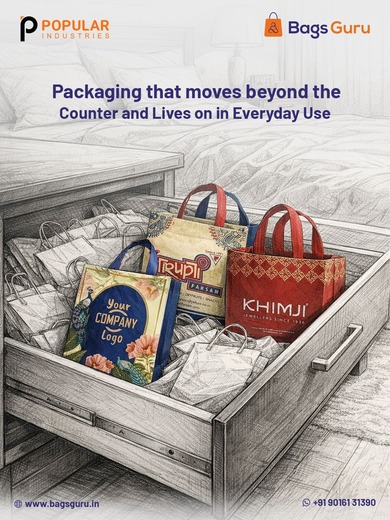
In today’s competitive retail market, packaging plays an important role in shaping how customers perceive a brand. Carry bags are no longer just used to transport products—they have become an effective branding and marketing tool.
Many retailers prefer custom non-woven carry bags because they are durable, reusable, affordable, and eco-friendly. These bags also allow businesses to print their logo and brand message, helping promote the brand every time a customer carries the bag outside the store.
However, before placing a bulk order, retailers should understand several important factors to ensure they choose the right bag for their business needs.
Understand the Purpose of the Bag
The first step is to determine how the bag will be used. Different retail businesses require different types of bags.
For example, garment stores usually need larger bags for clothes, while pharmacies and cosmetic stores often prefer smaller lightweight bags. Supermarkets and grocery stores may require stronger bags to carry heavier items.
Understanding the purpose of the bag helps retailers select the right size, GSM, and handle type.
Choose the Right Bag Size
Choosing the correct bag size ensures that customers can comfortably carry their purchases. If the bag is too small, it may not fit the product properly, while oversized bags can increase packaging costs.
Retailers should consider the products they sell most often and select a bag size that suits those items.
Select the Right GSM
GSM stands for grams per square meter, which indicates the thickness and strength of non-woven fabric. Higher GSM bags are generally stronger and more durable.
For most retail businesses, 60–70 GSM bags provide a good balance between durability and cost. Businesses that sell heavier items may prefer higher GSM bags for extra strength.
Decide the Handle Type
Handle type affects both the appearance and functionality of the bag. Common handle options include:
D-Cut Bags
These are budget-friendly and suitable for lightweight products. They are commonly used by pharmacies and small retail stores.
Loop Handle Bags
Loop handle bags are stronger and more comfortable to carry. They also provide a premium look, making them ideal for garment stores and boutiques.
Box Bags
Box bags have a larger capacity and are designed to carry heavier items, making them suitable for supermarkets and grocery stores.
Choosing the right handle improves customer convenience and bag durability.
Focus on Printing and Branding
A carry bag is an extension of your brand identity. A well-designed bag can make your store appear more professional and memorable.
Key elements to include in your bag design are:
- Store logo
- Brand colors
- Contact information
- Website or social media details
A simple and clean design ensures that your brand is easily recognizable.
Retailers can choose printing methods such as screen printing for simple designs or offset printing for more detailed and colorful branding.
Check Quality and Choose a Reliable Supplier
Before placing a large order, retailers should always check the quality of the bags. Important aspects to check include:
- Fabric strength
- Stitching quality
- Handle durability
- Printing clarity
Requesting samples from suppliers is a good way to ensure the bags meet your expectations.
High-quality bags last longer and create a better experience for customers.
Working with a reliable supplier ensures consistent quality, competitive pricing, and timely delivery.
Final Thoughts
Custom non-woven carry bags are more than just packaging—they are a powerful marketing tool for retailers. A well-designed bag not only helps customers carry their purchases but also promotes your brand wherever they go.
Before ordering custom bags, retailers should carefully consider factors such as bag size, GSM, handle type, printing method, and supplier reliability.
By making informed choices, businesses can improve packaging quality, strengthen their brand identity, and provide a better experience for their customers.